Importance of safeguarding in sport
Safeguarding in sports is crucial for protecting children and young people from abuse, neglect and harm. It ensures that sports organisations provide a safe and supportive environment where children can thrive and enjoy their activities. This includes implementing policies and procedures that prioritise the welfare of children and promote their rights.
Key responsibilities
Duty of Care: Sports organisations have a legal duty to ensure the safety and wellbeing of children in their care. This includes having effective safeguarding in policies and procedures in place.
Training and Awareness: Coaches, staff and volunteers should receive training on safeguarding practices, recognising signs of abuse, and understanding their responsibilities in reporting concerns.
Creating Safe Environments: Organisations should establish clear codes of conduct, risk assessments, and reporting mechanisms to address any safeguarding issues that arise.
Involving Parents and Guardians: Engaging parents and guardians in safeguarding efforts is essential. They should be informed about the policies in place and encouraged to report any concerns.
Safeguarding in Sport Guidance:
Most sports are governed by a National Governing Body (NGB) who manage processes for safeguarding and welfare as well as rules and regulations of the sport. Information about a specific sport can be found on the relevant NGB website.
Advice for parents and carers:
Having an understanding and interest in their child’s sports club or activity will help parents and carers to create a space where their child feels able to share their experiences with them – good or bad.
Top Tips for parents and carers:
- Be part of the team.
- Build good relationships with the club, the coaches, staff, volunteers and players.
- Support your child and their friends.
- Understand the possible challenges and risks in the sport.
- Raise helpful suggestions about how to improve things, as well as voicing any concerns you or your child may have.
- Parents and carers might also like to volunteer themselves at the club.
Resources:
Podcast episodes:
In this SSCP P Pod podcast episode we talk to Tracey Sweetland, Sport Welfare Officer from Somerset Activity and Sports Partnership (SASP) and member of the Sport Welfare Officer Network to talk about the importance of safeguarding children in sports and activities and how organisations can be supported to safeguard children effectively.
Webinars:
Learning and Development:
Latest News
WAVE: Working Against Violence and Exploitation
Do the young people in your life feel safe online? – Youth Forum event, 25th March
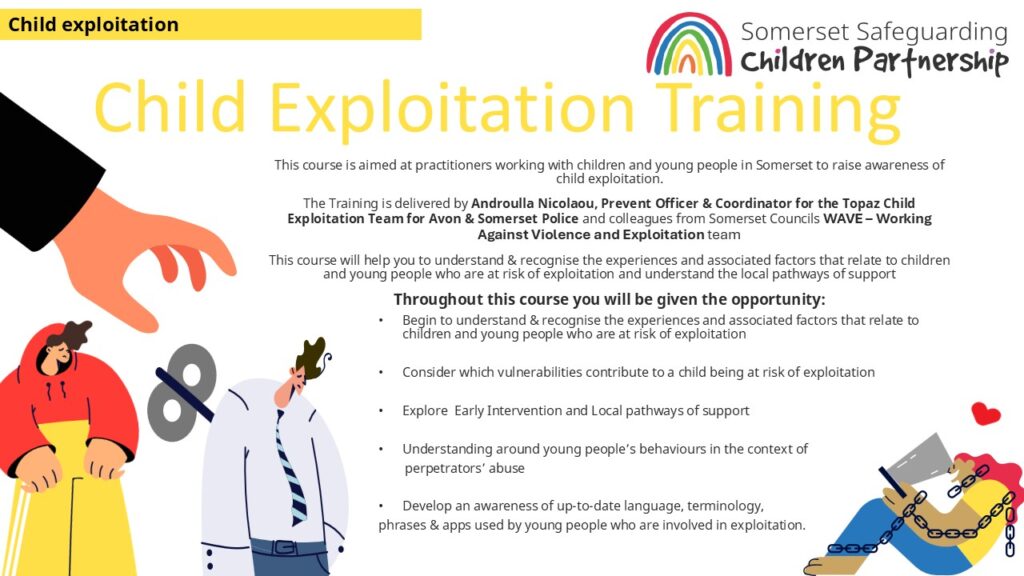
NEW Raising Awareness of Child Exploitation training dates available!

FREE Reducing Parental Conflict courses
FREE Webinars Supporting NWG National Child Exploitation Awareness Day 2026
Family Strengths and Needs Toolkit: understanding and addressing neglect
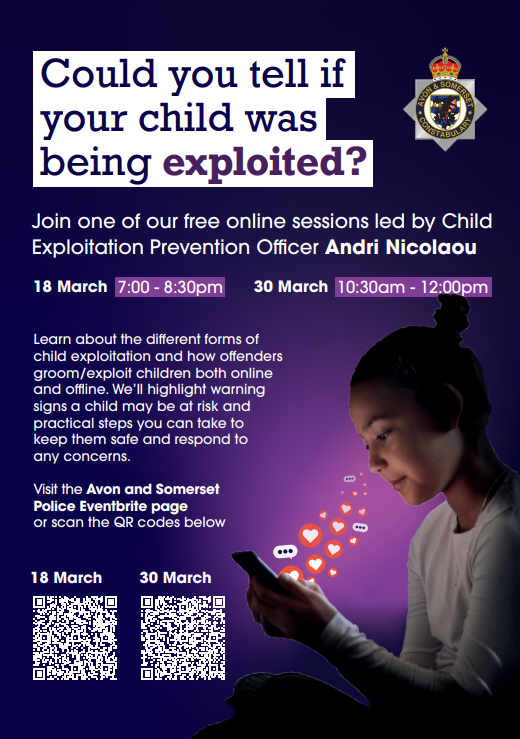
New Dates for FREE Parent/Carer Session Around Online Grooming & Exploitation