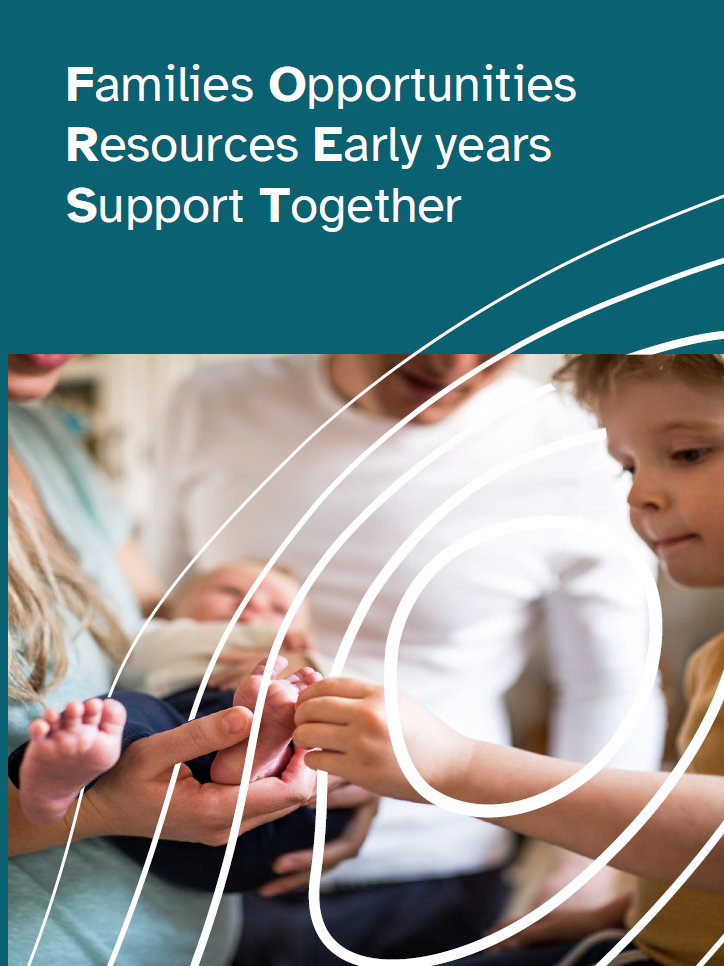
The FOREST programme?
FOREST (Families Opportunities and Resources for Early years Support Together) is a community-based programme, coordinated through Somerset’s Public Health Nursing Service , that supplements Maternity and Health Visiting care, drawing on local and national evidence. It offers early, integrated support from the antenatal period to age two for Families facing socio-economic challenges in communities within Somerset.
Aims
The aim of the FOREST Programme is to reduce health inequalities and improve outcomes for families at risk of vulnerability through a co-produced, comprehensive, integrated support system during the critical first 1001 days.
The FOREST Programme aims to:
- Improve early outcomes for children and families through tailored support.
- Recognise and build on family strengths while addressing challenges before they escalate.
- Create positive, resilient family environments through proactive, family-centred care.
Download the Enhanced Parent pathway – Forest Team Tri-fold leaflet HERE
The FOREST Programme contributes to the prevention of NAI by:
- Identifying risk factors early, such as parental mental health issues, domestic abuse, or substance misuse.
- Providing structured support to reduce stressors that may lead to harm.
- Building resilience in families through education, emotional support, and practical interventions.
- Enhancing professional oversight during a vulnerable period in a child’s life.
Programme Design
- Early Intervention Focus: Designed to intervene during pregnancy and early infancy, a critical window for child development and safeguarding.
- Holistic Assessment: Utilises the Assessment Triangle to understand the child’s developmental needs, parenting capacity, and family/environmental factors.
- Eligibility Criteria: Families with two or more vulnerability points are invited to participate, ensuring targeted support for those at greatest risk.
Read more about FOREST pathway eligibility HERE
Referral and Access
- Gatekeeping: A registered Midwife or Health Visitor conducts a needs assessment and acts as the gatekeeper to the pathway.
- Referral Window: Families can be referred from 16 weeks gestation to the 6–8 week postnatal check.
- Triage and Allocation: Once accepted, families are assigned to an Assistant Practitioner who delivers tailored interventions.
Intervention Delivery
- Toolkit-Based Approach: Up to 10 specialised toolkits are used, developed with input from subject matter experts in areas such as parenting, mental health, and child development.
- Collaborative Planning: Interventions are agreed upon with the family, promoting engagement and ownership.
- Structured Contact: Assistant Practitioners maintain regular contact to build trust and monitor progress.
Monitoring and Evaluation
- Pre- and Post-Intervention Questionnaires: Used to measure change and impact.
- Additional Data Collection:
- MORS (Mother Object Relations Scale) assessments
- Group feedback
- Verbal feedback
- Manual data extraction from family records